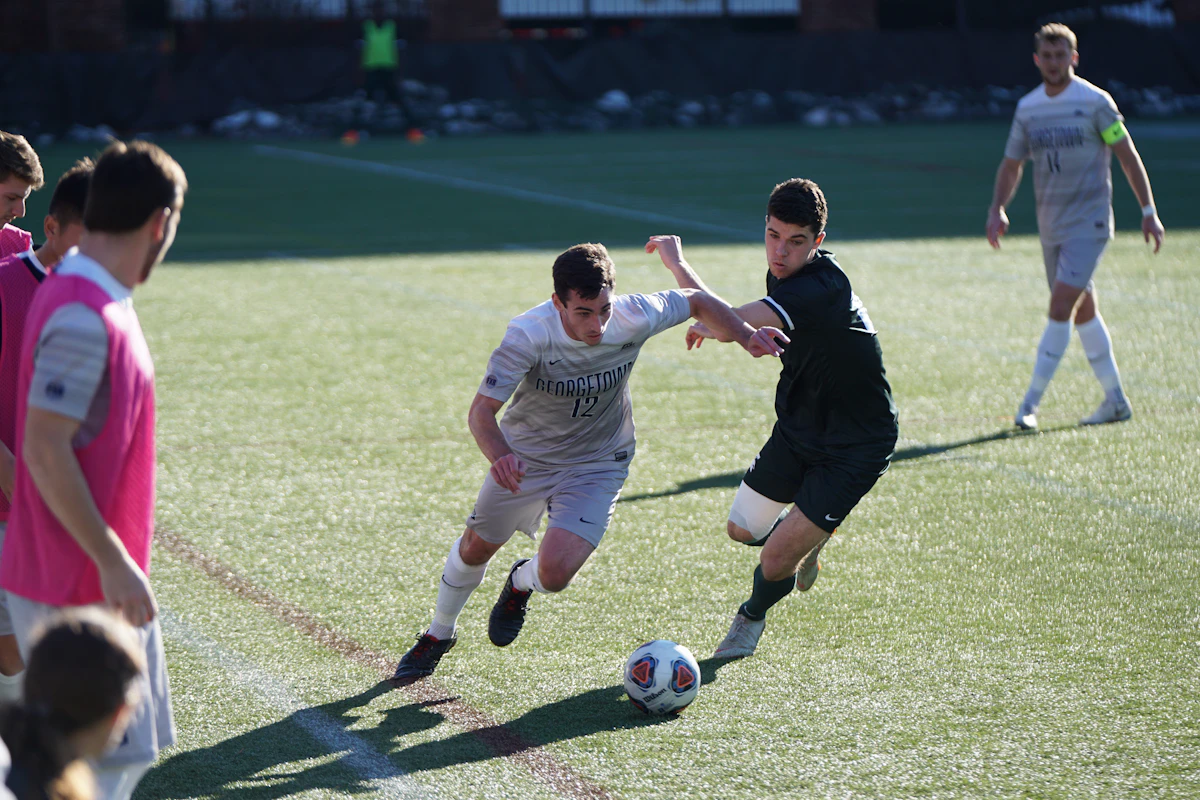
Players swear a full stadium lifts them, and the numbers back them up: home sides press harder, sprint further, and win more duels when the stands are packed. Crowd influence is not folklore — it is a variable coaches now plan around.
Noise is a tactical weapon
Sustained noise disrupts visiting communication. Defensive lines cannot hear the calls that organise them, set-piece routines lose their timing cues, and goalkeepers hesitate on claims they would own in silence. Home sides rehearse hand signals for exactly these stretches.
The physiological lift is real too. Studies of derby atmospheres show elevated intensity in duels and higher sprint counts from the home team in the opening twenty minutes — the crowd quite literally quickens legs.
An empty stadium hosts a match. A full one tilts it.
Using the twelfth player wisely
Smart clubs manufacture noise at the right moments: safe-standing sections behind the goal the team attacks in the second half, coordinated pressing triggers that invite the roar, and captains who visibly feed off it.
For travelling sides, the counter is preparation — silent training sessions, pre-agreed signals, and the discipline to survive the first storm. Weather the opening, and the crowd's energy slowly turns into expectation, which cuts both ways.
The takeaway: Pack the stands, time the noise, and make the last twenty minutes feel inevitable.
Written by Elena Torres
Football Correspondent at Bleacher Line Daily